

Can Type 2 diabetes lead to heart disease?
Diabetes and heart disease have a direct connection, with the diabetic up to four times more likely to die from heart attack. The good news? It’s manageable, even preventable. The impact of diabetes Many older adults struggle with diabetes, or linger at the tipping point between abnormally high blood sugar and a formal diagnosis. But what does it actually mean to someone with the disease, making it so important to conquer with better eating habits and physical activity? Diabetes can reduce the independence of an older adult, requiring lifestyle modifications to manage the disease. They’re suddenly at risk of complications and health risks of other conditions due to the vulnerabilities triggered by the diabetes. It can eventually lead to a need for full-time assisted living care, as the diabetes increasingly compromises the health of the diabetic. Already at a high risk from diabetes as the seventh leading cause of death, the diabetic is also far more vulnerable to the number one cause: heart disease. How diabetes leads to heart damage High blood sugar is a known risk factor of heart disease, just like smoking, obesity, high blood pressure and cholesterol increase the risk. It’s common knowledge. Because it increases fatty material inside of our blood vessels, the danger of blockage is increased, along with the risk of heart attack or stroke. The vessels also become stiff and hard, making it easier for the fats to stick to the walls of the blood vessels. When a fat deposit hits a curve on its way into the heart, it’s more likely to cause a pile-up of other deposits behind it, much like a car accident at a freeway stack. But there’s another risk most aren’t aware of. Because a diabetic has a higher level of glucose in their blood, the composition—the viscosity—of

Prevent or Overcome Burnout using the “Three R” Approach
By: Teri Elkins, MPH, CHES Health and Wellness Coordinator / Diabetes Prevention Program Coordinator Everyone experiences stress. And, in short bursts it can have a positive impact on your health, such as helping you avoid danger or meet a deadline. It’s when we continually experience stress and for long period of time, you increase our risk of it developing into burnout. The negative effects of burnout can spill into every area of your life and cause long-term changes in the body leaving a person more vulnerable to illnesses such as colds and the flu. Because of its many negative consequences, it’s important to deal with burnout right away. Without some form of intervention, it’s easy for you to become stuck, apathetic, and lack any physical or mental energy to change your situation. Dealing with burnout requires the “Three R” approach: Recognize – Watch for the warning signs of burnout Reverse – Undo the damage by seeking support and managing stress Resilience – Build your resilience to stress by taking care of your physical and emotional health (i.e. physical activity, proper nutrition, stress management and good sleep habits) Ready to prevent or overcome burnout? Visit Sun Health Wellness Healthy Living class calendar today for upcoming health and wellness live webinar, on-demand classes and upcoming programs at https://sunhealthwellness.org/class-calendar/ Source: https://www.psychologytoday.com/us/blog/when-call-therapist/201912/stress-and-burnout#:~:text=When%20we%20experience%20stress%20for,by%20excessive%20and%20prolonged%20stress.

Find Your Center with Tai Chi
What is Tai Chi? Tai Chi combines breathing exercises with slow, fluid and deliberate movements to improve your body’s circulation, balance and alignment. Targeting every muscle group, this exercise is a low-impact approach to improving your health without the normal risks of injury associated with other forms of exercise. This article will outline the history and practice of Tai Chi, its benefits and the best ways to find a Tai Chi class near you! The history of Tai Chi begins centuries ago in traditional Chinese culture, tying together several forms of gentle meditative exercises into one unique discipline. While the exact origin is unknown, it is thought to have combined several ancient practices like martial arts, healing studies and spiritual practices into a singular integrated regimen. You might see a couple of different names for Tai Chi, including: Yang style Tai Chi, Chen, Wu, Hao and Sun styles. Each style differs slightly but provides the same overall benefits. Tai Chi is one of the most studied forms of exercise – for good reason! It has been linked with dozens of health benefits, everything from chronic pain management to mood elevation. Researchers note that the benefits of Tai Chi extend far beyond the physical nature of the stretches and fluid movements involved in the discipline. They note that the meditative qualities – including the breathwork, focus and mental control – provide immense benefits that are almost unexplainable by modern science. Getting started with Tai Chi – am I a good candidate? You might be surprised by how many people can benefit from Tai Chi. While people in good health can benefit from the fluid movements and stretching provided by many of the poses, those who have chronic conditions that make exercising difficult can also significantly benefit from Tai

Sun Health Wellness Connecting Folks Virtually
Sun Health Wellness Connecting Folks Virtually Online class offerings and on demand courses available to keep those most vulnerable healthy Surprise, Ariz. (April 9, 2020) – In this COVID-19 time where social distancing is a must, especially for seniors and those with certain underlying conditions, Sun Health Wellness is offering its popular wellness classes to all Valley residents online at no cost. To make things easier, registration is not required. Both scheduled and on-demand classes can be found by visiting SunHealthWellness.org and clicking on the banner at the top of the page for the latest information. The virtual class listing with times is below. As Sun Health is working to keep those most impacted healthy and engaged, we appreciate media sharing the word. Interviews are also available. Meditation and Managing Anxiety Every Monday, starting April 13, 2020 from 2 to 3 p.m. During uncertain times increased anxiety is not uncommon. Sun Health is dedicated to partner with you by providing complimentary weekly sessions focused on meditation, mindfulness and reducing your anxiety. Join Barbara Mason as she guides you in finding peace of mind. Staying Active in Your Home Thursday, April 16, 2020 from noon to 12:30 p.m. Please Join Sun Health Wellness Specialist Alex Stark, M.S., for a 30-minute workout in your home that will do wonders. Jump Back Into Life with Less Joint Pain Friday, April 17, 2020 from 1:15 p.m. to 2:30 p.m. Are you or a loved one living with joint pain? Let us help you get back to doing what you love to do – such as golfing, playing pickle ball, hiking or going for a stroll. Join Dr. Christina Khoury, orthopedic surgeon, and Dr. Shyam Shridharani, spine surgeon, who will discuss options for your wellbeing. Alcohol and the Aging Brain Tuesday, April 21, 2020 at

The Dos and Don’ts of Brain Health
Brain health is constantly in the news – for good reason. The Centers for Disease Control and Prevention estimates that more than five million Americans are living with Alzheimer’s disease, a number that is estimated to triple to 14 million by the year 2060. Navigating what is good and bad for your brain health can be tricky, especially given how much advice exists from so many different sources. This article will serve to outline what you should and shouldn’t do to help promote your brain health and reduce your risk for developing Alzheimer’s and other forms of dementia. While these tips can apply to anyone at any age, it especially matters once you’ve entered retirement age. The CDC states that symptoms of Alzheimer’s disease tend to appear beginning around 60 years old, increasing as we age. Normal aging is associated with structural changes to the gray and white matter of the brain – meaning, there is a natural progression to brain deterioration that happens to almost everyone. However, diseases like Alzheimer’s – which is characterized by progressive memory loss, impaired thinking, disorientation and changes in personality and mood – are on the severe end of the brain degeneration spectrum and are theorized to be caused by certain lifestyle and risk factors. Making lifestyle changes now, no matter your age, can potentially prevent or reverse certain brain processes that may lead to Alzheimer’s. What are some things I can do to help my brain health? Taking steps toward preserving, protecting and improving your brain health can be as easy as changing one small habit, including incorporating the following tips: 1. Exercise Maintaining an active lifestyle is vital in preventing cognitive decline. Participating in activities such as light aerobics, dance, tai chi or even a simple walk around your
7 Ways to Maintain Bone Health
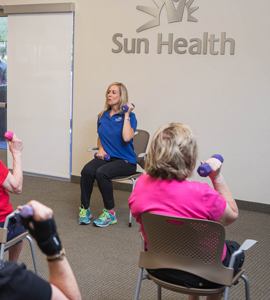
Osteoporosis, which means porous bone, is a chronic disease characterized by the weakening of bones and significant reductions in bone density, which is the amount of bone minerals in the bone tissue itself. This can result in an increased risk of fractures and other fall-related injuries. Even mild stress can fracture an osteoporotic bone that has become very brittle. Women have a higher risk of developing osteoporosis once they reach menopause due to hormonal changes. What you can do for healthy bones While there are many risk factors, there are some methods you can use to strengthen your bones and reduce your risk of developing osteoporosis. Read on to learn more about the top 7 ways you can maintain your bone health. 1. Watch what you eat Making sure you get a variety of nutrients from your food not only helps your overall health, but it can contribute toward building stronger bones and maintaining normal bone density. The two most critical nutrients for bone health are calcium and vitamin D. Other important vitamins for bone health include vitamin C and vitamin K. Foods that are rich in calcium such as dairy products (milk, cheese and yogurt) and plant-based sources (like almonds, beans, tofu or kale) are the best sources. Sources of vitamin D include exposure to sunlight and consumption of certain foods and supplements. Since there are very few foods that contain vitamin D, your best sources include fatty fish like wild-caught mackerel, salmon and tuna or foods where vitamin D has been added, such as dairy products, orange juice and fortified cereals. Many of these nutrients can be found in a diet made up of dark leafy green vegetables and a variety of colorful fruits. Some research has correlated a higher intake of fruits and vegetables with higher bone
Chair Yoga For Strength, Balance and More
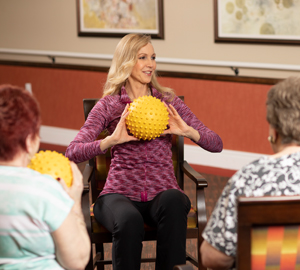
Do you often feel tense? Has it become difficult to bend down and tie your shoes due to stiff joints? Are you often worried about falling? If so, chair yoga is the ideal exercise to add to your daily routine. The stabilized motions of chair yoga are known to alleviate some of the most common aches and pains, while improving strength and mobility. Once you begin practicing chair yoga, you’ll start to feel a sense of ease and relaxation flow through your body. Over time, you’ll notice the tension that once overtook your muscles and joints begins to release, and basic skills, such as bending over to tie your shoes, are once again possible. Chair yoga can be practiced by anyone struggling with balance, strength and flexibility. Adding a chair into your practice provides extra support, so you can complete basic stretches and enhance your overall quality of life. About chair yoga Chair yoga is derived from traditional yoga, an ancient practice with poses that date back over 5,000 years. Many, if not all, traditional yoga poses can be replicated and altered to accommodate a chair, making it possible, enjoyable and suitable for all levels of experience. This simple, yet effective, modification of incorporating a chair provides extra security and stability while transitioning through poses. Chair yoga allows you to make gradual improvements to your strength, balance and flexibility, and reduces the risk of losing your balance which is more common when practicing traditional yoga. Put your mind to rest knowing that if you struggle with balance and strength, you’ll always have the chair to hold on to. When you feel confident enough, you can begin to remove the chair from certain poses and flow through movements on your own. It’s important to take your time, listen to your body

How Anti-Inflammatory Foods Can Improve Your Health
You may have heard the famous saying, “Let food be thy medicine and medicine be thy food.” But do you really know how important your diet can be in helping you achieve your short or long-term health goals? One of your health goals may be to lower your body’s inflammation levels, which is linked to many chronic diseases. That inflammation can cause adverse symptoms throughout your body and may predispose you for other diseases such as cancer. This article will explain how your diet may help you lower your inflammation levels. However, always be sure to check in with a doctor or registered dietitian before beginning a new diet. What is inflammation? Inflammation has a few definitions depending on where it is found in the body. The more commonly known definition is swelling that occurs due to an external injury, causing redness in the affected area. However, internal inflammation can be a bit more sinister and harder to diagnose since your symptoms may be vague or transient. Inflammation within your body is your body’s natural defense mechanism. Your immune system recognizes an invader, whether it’s an irritant, allergen, pathogen or damaged cells, and builds the immune response to fight the invader with specialized immune cells. The inflammatory response is simply a sign your body is trying to protect itself, and is not necessarily a bad thing for short periods of time. For example, your body would not be able to heal a cut or scrape without the inflammatory immune response. However, when your body’s inflammation lasts for an extended period of time, you can develop secondary effects from it. Chronic inflammation can be caused by things like autoimmune diseases, hepatitis or asthma. It can also lead to diseases like rheumatoid arthritis, cancer, type 2 diabetes or heart disease. Monitoring your
Life is a Balancing Act
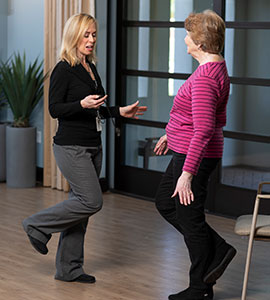
When you think of balance, you might think of balancing your commitments, juggling responsibilities or how you maintained a work-life balance in your career days. However, most adults don’t prioritize their physical balance until a serious health event occurs – like after they’ve already experienced a fall. Read on to learn more about why you should start thinking about your physical balance and learn some tips and tricks to improve it and reduce falls. How does improving your physical fitness lead to better balance and reduced risk of falls? As we age, our bodies begin to lose some of the protective mechanisms that exist to help us maintain our balance. The fat pads on our feet can start to deteriorate, making it more difficult to stay upright. Vestibular problems can develop in the ear, causing dizziness and vertigo, which can make it feel like the room is constantly spinning. Health conditions can also impact balance. For example, type 2 diabetes can lead to neuropathy, or numbness, in the feet and toes, reducing our control over our feet. However, you can take steps toward reducing some of these bodily changes by participating in certain exercises and making lifestyle changes. Strengthening your leg and core muscles, improving your flexibility and maintaining the range of motion in your joints can all contribute to reducing your risk of falls. Tips and tricks to improve your balance: 1. In-home exercise Asking your doctor which exercises he or she recommends is a good start toward improving your balance. Your doctor might recommend activities such as standing on one leg for 30 seconds at a time, doing squats while holding on to a countertop or balance bar or doing heel-to-toe steps on the ground that emulate a tightrope walk. 2. Fitness practices Certain fitness practices

5 ways to take action after a prediabetes diagnosis
If you’ve just been diagnosed with prediabetes, you may have questions about whether this is a permanent diagnosis or what this means for your long-term health. It might surprise you to learn that over 100 million Americans are living with some form of diabetes or prediabetes, which roughly translates to almost ten percent of our population. According to the Arizona Department of Health Services (ADHS), one in three adults in Arizona have prediabetes and one in 10 Arizonans have diabetes. Without intervention, ADHS states that prediabetes is likely to transition to type 2 diabetes within five years. In this article, we’ll break down exactly what prediabetes is and which steps you can take to prevent it from progressing to type 2 diabetes. However, this information should not be taken as medical advice and if you think you may have prediabetes, or have already received a diagnosis, you should consult with your doctor. What is prediabetes? Before someone develops type 2 diabetes, they most likely have had prediabetes, which the American Diabetes Association defines as when blood glucose levels are higher than normal, but not yet high enough to be considered diabetes. The difference between prediabetes and type 2 diabetes is that prediabetes can be reversible and typically shows little to no symptoms. That means you can only really be diagnosed with prediabetes through designated tests. You may have also heard about type 1 diabetes, though there’s no relation between that and prediabetes. Type 1 diabetes is something that you typically develop during childhood or early adolescence, and is considered an autoimmune condition rather than something that is influenced by lifestyle or other medical conditions. However, type 2 diabetes is by far the most common form of diabetes in adults, accounting for over 95 percent of adult cases in the

6 Things to Know About Your New Medicare Card
In April 2018, the government began mailing revamped Medicare cards to the almost 60 million individuals enrolled in the program. In January 2019, Medicare announced that all cards were mailed, ending a nearly nine-month rollout process. When you received your new Medicare card, you may not have noticed much of a difference. But, despite their similar appearance, the new Medicare cards have several key advantages over their predecessor. Here are six things you should know about your new Medicare card. 1. Your new Medicare card is designed to keep you safe For years, many have called for Medicare to remove Social Security numbers from cards in order to keep beneficiaries safe. The new cards take this to heart and are designed to reduce the risks of scams and identity theft. This is why the new cards no longer feature your Social Security number. Instead, you have a new 11-digit Medicare Beneficiary Identifier (MBI), or Medicare Number. To further protect your personal information and enhance your safety, your new Medicare card no longer includes your gender or requires a signature. Your New Medicare Beneficiary Identifier (MBI) Your new Medicare Beneficiary Identifier (MBI), also called a Medicare Number, can be found printed on the front of the card. It consists of numbers 0-9 and a random assortment of uppercase letters. You’ll use this number instead of your Social Security number to verify your identity for things like billing, claim status and eligibility status. You should treat your MBI as Personally Identifiable Information—meaning that you should keep it confidential. Never share your Medicare Number with anyone who contacts you by phone or email, unless you’ve given them permission in advance. Only share your Medicare Number with doctors, pharmacists and other health care providers, along with your insurers and people you give
Getting to the Point: The Benefits of Acupuncture
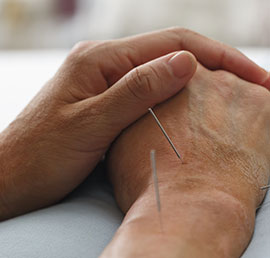
Whether you’re looking for pain relief, relaxation or other benefits, acupuncture may be just what you need to enhance your personal health and wellness. Rooted in traditional Chinese medicine practices, the popularity of acupuncture has skyrocketed in the last few decades. More and more, people are turning to complementary treatments like acupuncture to supplement their conventional medications, doctor’s visits and other medical care. But, despite this growth in popularity, a question still remains: What can acupuncture do? In this article, we’ll break down some of the many benefits of acupuncture. What is acupuncture? According to traditional Chinese medicine, acupuncture balances the flow of energy known as chi, or qi, which is believed to flow through specific meridians, or pathways, in the body. Disruptions in the balance of chi are said to be responsible for health issues. Inserting very fine needles into points along certain meridians is believed to re-balance your energy flow, improving your overall health. In many parts of the world, acupuncture is considered a first line of treatment before Western medicine is considered. The 2,000-year-old practice of acupuncture first came to the medical forefront in the United States in 1971, when a reporter who had recently visited China wrote a piece in The New York Times about how Chinese doctors helped treat his pain from back surgery using needles. In 1997, the FDA classified acupuncture needles as medical devices, bringing modern standards to this ancient practice. In the years since, researchers all over the world have worked to uncover the benefits and mechanisms of acupuncture. How does acupuncture work? Despite decades of research, researchers still don’t have a full grasp on how acupuncture works, and new theories are always emerging. The most common Western viewpoint considers acupuncture points as places to stimulate muscles, nerves and connective
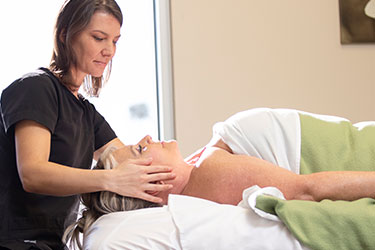
Which Type of Massage is Right for You?
Are you feeling stressed, tense or burnt out? Do you have nagging pain or discomfort, perhaps from an injury years ago? For these problems, and others, massage therapy may be the answer. While it’s commonly considered a luxury, a massage is more than just something you’d expect from a trip to the spa—it’s an important treatment that’s been shown to play an important role in reducing stress and improving overall wellbeing. The benefits of massage therapy include: Lowering stress Improving immune function Managing chronic pain Improving emotional health and wellness And more At Sun Health Wellness, our massage services are offered by licensed and trained massage therapists, who specialize in working with you to ensure your needs are met. Whether you’re looking for total relaxation or targeted pain relief, there’s a massage that’s right for you. We specialize in the following forms of massage therapy. Swedish Best for: Full body-relaxation Swedish massage therapy is the most common, and most popular, form of massage. In fact, outside of English and Dutch speaking counties, Swedish massage is referred to as “classic massage.” The primary goal of Swedish massage is to relax the entire body. Soft, long kneading strokes and light, rhythmic tapping strokes are applied to the topmost layer of muscles. These techniques, along with movement of the joints, help to relieve muscle tension. A Swedish massage can also help increase the flow of oxygen in the blood. This helps flush lactic and uric acids, as well as other metabolic wastes, out of the body tissue, helping your body recover from stress and injury. If you’ve never had a massage before, Swedish massage is a great place to start. It’s gentle enough for beginners, while also being an effective way to achieve stress relief and full-body relaxation. Deep Tissue Best

7 Reasons to Move Every Day
According to the CDC, one in four adults sit for more than eight hours a day. While a little rest and relaxation is fine here and there, living a completely sedentary life can be dangerous for your health. Increasing your physical activity at any age can help lower your risk factors for serious health conditions. Even something as simple as a daily walk around the block or a quick fifteen-minute exercise routine can help you live healthy for years to come. Here are seven reasons to move every day for the good of your overall health and wellbeing. 1. Sharper memory and thinking The endorphins released during exercise not only help you feel better—they help you think better, too. Better concentration and mental sharpness are just two of the many cognitive benefits of physical activity. Physical activity has even been shown to stimulate the growth of new brain cells and improve neuronal health by improving the delivery of oxygen and nutrients. Emerging research also shows a link between exercise and the prevention of age-related cognitive decline. 2. Weight loss and maintenance Time and time again, research has shown that inactivity is one of the main risk factors for weight gain and obesity. By increasing your physical activity, you can keep these conditions at bay. Regular exercise increases your metabolic rate, otherwise known as your metabolism. While our metabolisms naturally slow over time, staying active can help maintain a healthy metabolism at any age. 3. More energy Physical activity boosts cardiovascular health, which gives you more endurance throughout the day. More endurance makes it easier to do the tasks that your daily life requires without feeling worn out when all is said and done. 4. Better sleep Turns out that the best way to get a good