

Can Type 2 diabetes lead to heart disease?
Diabetes and heart disease have a direct connection, with the diabetic up to four times more likely to die from heart attack. The good news? It’s manageable, even preventable. The impact of diabetes Many older adults struggle with diabetes, or linger at the tipping point between abnormally high blood sugar and a formal diagnosis. But what does it actually mean to someone with the disease, making it so important to conquer with better eating habits and physical activity? Diabetes can reduce the independence of an older adult, requiring lifestyle modifications to manage the disease. They’re suddenly at risk of complications and health risks of other conditions due to the vulnerabilities triggered by the diabetes. It can eventually lead to a need for full-time assisted living care, as the diabetes increasingly compromises the health of the diabetic. Already at a high risk from diabetes as the seventh leading cause of death, the diabetic is also far more vulnerable to the number one cause: heart disease. How diabetes leads to heart damage High blood sugar is a known risk factor of heart disease, just like smoking, obesity, high blood pressure and cholesterol increase the risk. It’s common knowledge. Because it increases fatty material inside of our blood vessels, the danger of blockage is increased, along with the risk of heart attack or stroke. The vessels also become stiff and hard, making it easier for the fats to stick to the walls of the blood vessels. When a fat deposit hits a curve on its way into the heart, it’s more likely to cause a pile-up of other deposits behind it, much like a car accident at a freeway stack. But there’s another risk most aren’t aware of. Because a diabetic has a higher level of glucose in their blood, the composition—the viscosity—of

Sun Health Receives CDC Full Plus Recognition For Diabetes Prevention Program
Sun Health was recently recognized by the Centers for Disease Control and Prevention (CDC) for the impact of its National Diabetes Prevention Program. This recognition stems from ongoing work to help those at risk to make necessary nutritional, physical activity and behavioral changes to improve health and prevent or delay the onset of type 2 diabetes. “It is a true honor to be recognized by the CDC for our pre-diabetes prevention program,” said Sun Health president Joseph La Rue. “This remarkable accomplishment demonstrates the quality of work we do to ensure success and better health outcomes in patients with a pre-disposition or risk for developing type 2 diabetes.” The CDC Full Plus Recognition is awarded to programs across the country that have demonstrated their effectiveness through meeting all performance criteria set forth in the CDC Diabetes Prevention Recognition Program, including the ability to demonstrate the reduction of risk of developing type 2 diabetes among those who complete their respective programs. Sun Health’s Diabetes Prevention Program is a year-long, staggered program consisting of 24 class sessions where participants will keep weight and activity logs, reflect on the previous week, explore new lifestyle topics, and create an action plan. The first six months of the program focus on weight reduction and increasing physical activity, while the second six months of the program focus on maintaining weight loss and activity levels. The Diabetes Prevention Program is just one of many resources Sun Health offers in an effort to tackle some of the most common health concerns among local communities. These include wellness and consultation services, LiveWell Learning On-Demand, and a variety of classes and events, including the upcoming 7th Annual Diabetes Expo taking place on November 8 from 9 a.m. to noon at the Grandview Terrace Ballroom, located at 14515 W. Granite Valley

Is it time to take the keys? Driving and dementia
The road can be uncertain when your loved one is diagnosed with memory loss. Sun Health’s Memory Care Navigators offers advice on delicate decisions around whether driving is still safe. The road can be uncertain when your loved one is diagnosed with memory loss. Dementia, with the most common form being Alzheimer’s, is the general term used when memory loss, thinking, problem-solving deficits interfere with daily activities. One activity that needs to be monitored closely after a dementia diagnosis is driving. “It is normal as we age to have changes in our vision, hearing and flexibility. That is to be expected,” explains Marty Finley, M.Ed., Sun Health’s Lead Memory Care Navigator. “What is different when someone is diagnosed with dementia is the ability to concentrate on what they are doing and how to react appropriately.” Finley points out driving is a complex and complicated task, which requires the ability to focus, and simultaneously change our attention to surrounding variables at a moment’s notice. For example, a person could turn in front of you, prompting the need for a quick reaction and good decision-making ability to avoid a collision. “Families tend to think mom or dad are ok to drive because it’s only their short-term memory that is problematic” Ms. Finley says. “But what I teach is that the multiple brain changes that impact judgment and reasoning can cause someone to do things that are unsafe. Many other factors associated with dementia impact your ability to drive safely.” Finley acknowledges that discussions around driving ability can be tricky and says signs that it “could be time” are things like unexplained dents or dings on the car – signaling that the individual is having difficulty navigating their vehicle and that skills such as parking or making turns have declined. “Sun Health works
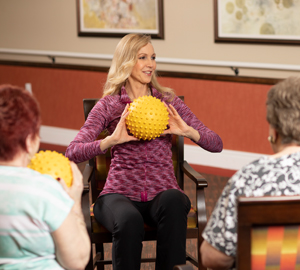
Chair Yoga For Strength, Balance and More
Do you often feel tense? Has it become difficult to bend down and tie your shoes due to stiff joints? Are you often worried about falling? If so, chair yoga is the ideal exercise to add to your daily routine. The stabilized motions of chair yoga are known to alleviate some of the most common aches and pains, while improving strength and mobility. Once you begin practicing chair yoga, you’ll start to feel a sense of ease and relaxation flow through your body. Over time, you’ll notice the tension that once overtook your muscles and joints begins to release, and basic skills, such as bending over to tie your shoes, are once again possible. Chair yoga can be practiced by anyone struggling with balance, strength and flexibility. Adding a chair into your practice provides extra support, so you can complete basic stretches and enhance your overall quality of life. About chair yoga Chair yoga is derived from traditional yoga, an ancient practice with poses that date back over 5,000 years. Many, if not all, traditional yoga poses can be replicated and altered to accommodate a chair, making it possible, enjoyable and suitable for all levels of experience. This simple, yet effective, modification of incorporating a chair provides extra security and stability while transitioning through poses. Chair yoga allows you to make gradual improvements to your strength, balance and flexibility, and reduces the risk of losing your balance which is more common when practicing traditional yoga. Put your mind to rest knowing that if you struggle with balance and strength, you’ll always have the chair to hold on to. When you feel confident enough, you can begin to remove the chair from certain poses and flow through movements on your own. It’s important to take your time, listen to your body

Sun Health’s Recommended Foods for Bone Health
Here are lists of foods that are rich in vitamin D and calcium– which help with keeping bones healthy and strong. Vitamin D rich foods: Milk: 8 oz has 2.5 micrograms (mcg) or 100 IU (international units) vitamin D Some brands of juice; the amount of vitamin D varies Margarine: 1 Tbsp has 1.5 mcg (60 IU) vitamin D Soy milk: the amount of vitamin D varies Yogurt: 1 cup has 1-2 mcg (40-80 IU) vitamin D Cod liver oil: 1 Tbsp has 34 mcg (1,360 IU) vitamin D Egg yolks: 1 yolk has 0.625 mcg (25 IU) vitamin D Fatty fish, such as tuna, mackerel, and salmon: 3 to 4 oz has 9 mcg (360 IU) vitamin D Calcium rich foods: 8 oz yogurt without added fruit: 400mg 1 oz Swiss or Gruyere cheese: 300mg 1 oz natural cheese: 200mg ½ cup pudding, custard, or flan: 150mg ½ cup ice cream, ice milk, or frozen yogurt: 100mg 1 medium orange: 50mg Factors that influence bone health: Monitor your food intake. Get enough calcium and vitamin D, ideally through the foods you eat. Although dairy products may be the richest sources of calcium, a growing number of foods, such as orange juice, are calcium-fortified. Fruits, vegetables, and grains provide other minerals crucial to bone health, such as magnesium and phosphorus. Maintain a reasonable weight. This is particularly important for women. Menstrual periods often stop in women who are underweight — due to a poor diet or excessive exercise — and that usually means that estrogen levels are too low to support bone growth. Don’t smoke and limit alcohol intake. Smoking and too much alcohol both decrease bone mass. Make sure your workouts include weight-bearing exercises. Regular weight-bearing exercise like walking, dancing, or step aerobics can protect your bones. Also include

5 Benefits of Medical Nutrition Therapy
With age, dietary needs can change and shift depending on the state of your health. While maintaining good health is always a top priority, sometimes chronic diseases can creep in. However, you might be surprised to learn there are therapeutic diets which can help treat many chronic diseases. Following a personalized nutrition treatment plan, like Medical Nutrition Therapy, may help you control some symptoms associated with diseases like Type 2 diabetes, COPD, osteoporosis, cancer and more. What is medical nutrition therapy? Medical Nutrition Therapy (MNT) is defined as an evidence-based medical approach to treating certain chronic conditions through the use of an individually-tailored nutrition plan. MNT is provided by a registered dietitian nutritionist (RDN). While many people are hesitant to change their diet, Medical Nutrition Therapy is a more comprehensive approach, giving you the counseling and feedback you need to successfully meet your dietary needs and prevent or treat chronic disease. You may also hear Medical Nutrition Therapy referred to as ‘nutritional counseling.’ How does medical nutrition therapy work? MNT typically begins with an initial nutrition assessment using client and medical record data, evidence-based guidelines and professional judgment to determine a nutrition diagnosis and intervention. Then, together with your nutritionist, you will define what your goals are for your diet. The first visit usually is 60 to 90 minutes. In follow up visits, your dietitian will monitor and evaluate your progress by reviewing updated labs, medication or health changes, to ensure your goals are being met and your health is optimized. One thing to always keep in mind with MNT is that it is not meant to replace a doctor’s recommendation for treatment or medication for your specific health condition(s). It is meant to complement the advice given by other members of your health care team. In fact, many health

HOLIDAY HINTS FOR CAREGIVERS
Holiday activities may confuse or over-stimulate a person with dementia. Family members may struggle to find a happy medium between celebrating and not upsetting their loved one. The following tips can help you find a balance between peace on earth (and at home) and holiday merriment. Make “Less is More” your mantra for the holidays. Allow yourself to say “no thank you” to some invitations. Be flexible. If past holiday traditions are no longer practical, create some new ones. Consider putting up fewer and simpler decorations. Brief guests or visitors who may not have seen your loved one in a while about their condition. Suggest ways to communicate. Celebrate with a smaller number of people. Celebrate for a shorter amount of time. Wind things down if your loved one shows signs of fatigue or agitation. Maintain your loved one’s daily routine as much as possible. Recognize what you as a caregiver can realistically manage. Marty Finley is a Memory Care Navigator for Sun Health.

How to Stay Well During the Holidays
Holidays are full of festivities – family time, food, events, traveling, you name it. But sometimes, the holiday season can bring stress and anxiety when you’re trying to stick to healthy eating habits and a consistent exercise routine. The key to staying on track with your goals is to plan well in advance and get creative. We all know how hard it can be to set aside time for yourself during the holiday season, so try to infuse your good habits with your events. Below are some simple and fun tips to get you through the holiday season without sacrificing healthy eating and exercise. Pace Yourself & Eat Slow Holiday meals bring excitement and eagerness to eat the beautiful assortments of savory and delicious food that you may only have once a year, which can ultimately lead to overeating. The key to avoiding this is to pace yourself and eat slow. It takes your brain about 20 minutes to realize that your stomach is full and satisfied. Often times, when you eat fast, you’re likely to overeat and feel too full or sluggish. To slow down during your meal, try and strike up conversations or take a few sips of water in between bites. That way, you’re taking pauses and realize you’re satisfied without feeling too full. Drink a Glass of Water Before Your Meal A great habit to start, even outside of the holiday season, is to drink a full glass of water 20-30 minutes before your meal. We often mistake feelings of hunger for feelings of thirst – so when you’re feeling hungry, you could just be thirsty. Again, your brain takes about 20 minutes to realize that your stomach is full, so drinking a full glass of water before your meal keeps you hydrated, avoids
Can the Memory Care Navigator help me or someone I love?
You can depend on the Sun Health Memory Care Navigator to share knowledge about dementia and available community resources when you or a loved one experience memory lapses, behavioral changes and the inevitable functional decline brought on by dementia. The Navigator helps minimize the stress of supporting a loved one with this chronic disease. The program, offered at no charge thanks to the generous funding of Sun Health Foundation, provides personal and professional guidance for clients, family members and caregivers coping with the emotional, psychological and physical effects of dementia. The Memory Care Navigator can assist by: Assessing the needs of a client and family and providing a confidential consultation. Developing a personalized plan of care with the client and family that addresses and supports the client’s health and health-related needs. Linking clients and family members to education, support groups and assistive services in the West Valley. Acting as an ongoing resource for families and caregivers as new challenges arise through different stages of dementia. Educating clients and families about available local clinical trials they may discuss with their physicians. Collaborating with and communicating recommendations to each client’s physician. To learn more, contact the Sun Health Memory Care Navigator program at 623-471-9300.

Exercise and reducing brain aging: How staying active may benefit the brain
Brain health is closely linked to exercise, which can serve as a protective mechanism to keep your body and mind in tip-top shape. While doctors recommend exercise to almost everyone, as you begin to enter retirement, exercise becomes a vital component toward protecting yourself from a wide array of physical ailments. Exercise can be as simple as doing leg raises while watching tv or visiting a local retirement community to participate in wellness classes. Depending on your current state of health, your doctor may recommend a unique plan of action, so be sure to chat with a primary care provider before beginning a new exercise routine. How does it work? The part of the brain associated with this correlation between exercise and brain wellness is the brain’s white matter. Basically, your brain has different types of “layers” that are labelled as either white or gray matter. Your brain is primarily full of what scientists refer to as white matter, which consists of things like axons and nerve fibers that are responsible for your brain being able to communicate with the rest of your body. The gray matter is responsible for certain things like muscle control and sight. Some scientists have used the following analogy: the brain’s gray matter is like the computer of the brain whereas the white matter is like the cables that connect and transmit all the information. According to a Time article, older adults who did not participate in regular exercise had increased levels of white matter deterioration in their brains than those who did participate in regular exercise. The findings of white matter deterioration were also linked with decreased cognitive functioning and decision-making skills, which researchers state means exercise may serve as a protective mechanism against dementia. Other researchers believe exercise may improve your body’s circulation,

Resolution Success: Sun Health’s Easy Plan for Eating Healthier
There is a strong likelihood, like millions of other Americans, that you may have indulged in extra homemade holiday sweets and an extra scooping of potatoes while celebrating the holidays. And to help make up for that overindulgence, also like millions of others, you’ve added a healthier diet and exercise to your list of New Year’s resolutions in 2022. The good news is that Sun Health’s Center for Health & Wellbeing is here to help you with these goals. The first step, however, says Sun Health’s Registered Dietitian Nutritionist Julia Deen is to give yourself a little latitude. “Be kind to yourself and give yourself grace as you get back to doing things that are beneficial to your heart health,” Julia advises. “It is also important to understand as you move forward that we all have relapses and slips. It is really important that you get back to healthy eating as soon as possible and make the next meal and next day as healthy as you can.” You may be thinking, OK, that’s great, but after eating all the homemade goodies and meals that were not as healthy how do you even turn over that leaner and healthier new leaf? Julia says it’s all about adding some color as we look to slim down post holidays. “One good way to start off is to use the MyPlate method. In using the MyPlate method, you always make sure half of your plate is fruits and vegetables, the other half of the plate is grains and protein,” Julia explains. “What’s great about the MyPlate method is you include all foods that are part of a healthy eating pattern, and you can also use it when eating out, too.” As shown, the MyPlate method presents an easy way to get a healthy serving

Getting Back Your Lost Exercise Habit
The weather in Arizona is delightful. However, the thought of fulfilling the promise to yourself of getting back to exercising in the new year may have you feeling frightful. As Sun Health’s Wellness Specialist Alex Stark, M.S., says, the key to making sure you stay true to your New Year’s resolution of getting back to exercising is to start small. “I like to remind clients that the most important thing is to start small. Exercise is not like riding a bike. You might remember what to do, but your muscles need a little time,” he says. “If you used to exercise for an hour, start with 15 minutes. If you used to cover 3 miles, in 1 hour, now you may only be able to do 1 mile and that’s OK.” As Alex points out, it is not uncommon for people to take time off from exercising during the holidays; others may have stopped workout routines due to fitness center closures. Another important part of getting back to physical activity is to reestablish the routine, and that does not happen overnight. “It takes 12 weeks to establish a habit, so the sooner you start the habit and do it more regularly, the more success you will have in the long run,” Alex says. “And the smaller amounts and working up to frequency is key as well. Once you establish the behavior again, if you get off track something will feel amiss because you get an adrenaline boost when you exercise, and when you don’t you will feel groggy and miss the feeling. It’s all about getting back to the routine.” Another important reminder when getting back on track — remember to drink plenty of water and warm up before stepping out into the cool weather to exercise. Also, forgetting to

Sun Health Helps Those with Diabetes Defy Risk for Developing Memory Loss
When it comes to dementia, a fact most people don’t know is that those with diabetes have a 65% higher risk of developing Alzheimer’s disease, according to the World Journal of Diabetes. Marty Finley, M.Ed., Sun Health’s lead Memory Care Navigator says, “It’s also true that many of those with diabetes aren’t even aware they have the condition, going undiagnosed and untreated. Given the fact that diabetes is common among adults over the age of 65, affecting one in four, these higher risk individuals might be your wife, your husband, your best friend or your neighbor.” So how does diabetes lead to increased risk of memory loss? The reasons are simple; long-term exposure to sugar in the blood harms the body in multiple ways, ranging from inflammation that damages brain cells and blood circulation to unbalanced brain chemicals from insulin. This is why Finley wants to share information with the community about an upcoming event focused on diabetes prevention and management. Sun Health’s annual Diabetes Expo will be held on Friday, Nov. 12th, from 8:30 to 11 a.m. at the Colonnade and on a Zoom broadcast. This is a no-cost event that will allow you to learn more about managing diabetes and your overall health. Call (623) 207-1703 to register for this event. Finley also remarks, “A recent Harvard Medical study from over the summer pointed out another major reason diabetes leads to memory loss. Diabetes has negative effects on the heart, and heart health is related to brain health. Heart disease and elevated blood pressure are both associated with strokes that, in turn, can lead to dementia.” Lastly, Finley reminds us that social activities, a positive attitude, learning new things, and music can all help your brain work at its best and reduce your risk of dementia. After all,

Why It’s So Important to Stay Friends with Someone Who Has Memory Loss
If we have learned anything throughout the past year, it is the importance of friendships and staying in touch. This is certainly no different from someone diagnosed with memory loss. Remaining connected with a dear friend diagnosed with dementia is important. With so many challenges brought about by this disease the acceptance and support of friends remains deeply meaningful. It provides a sense of belonging, continuity, acceptance and connection that every human needs. “Friends have a wealth of love and memories to share. Even more importantly, they often possess a generous ability to connect with and appreciate the person as they are now,” says Marty Finley, M. Ed., Lead Memory Care Navigator for Sun Health. “And, that is immensely reassuring when so many others tend to focus on who that person with dementia used to be.” Opportunities to support may be as simple as a bedside visit, a game of cards or going for a walk. Supportive listening, human contact and a warm shoulder to lean on will never go out of style, no matter what life may bring. It’s not about what you do in the time spent, it’s about the simple pleasure of being together. They may not remember your name, but they are likely to remember they like you. Sun Health’s Memory Care Navigator program can help those with memory loss and their family members and friends to identify support, services and resources that may be helpful in navigating the dementia journey. The service is provided at no charge to clients through the generosity of Sun Health Foundation donors. For more information or to schedule a consultation, call (623) 471-9300, or visit SunHealthWellness.org/memorycare.